Is a closed incision the same thing as a full recovery? A dog can heal at the tissue level and still not be moving well. That gap, between a surgical site closing or a soft tissue injury resolving and a dog actually returning to comfortable, reliable movement, is where rehabilitation earns its place in a recovery plan. For veterinarians managing post surgical, orthopedic, or soft tissue cases, functional progress deserves to be tracked as its own measure, not assumed as an automatic byproduct of healing.
What Does Functional Recovery Actually Mean for a Dog?
Tissue healing and functional recovery are related but not the same thing. An incision can close and a repaired joint can look stable on imaging while the dog still favors a limb at the trot or hesitates on stairs it used to take without a second thought. Functional recovery refers to what the dog can actually do: bear weight evenly, move through a full range of motion, tolerate activity at increasing levels, and hold up under normal use without compensating in a way that risks a new problem elsewhere. Tracking this separately from tissue level healing gives a veterinarian a fuller picture of where a case actually stands, and gives an owner something more concrete to watch for at home than how the incision looks.
Why Track Functional Progress Instead of Healing Alone?
A dog that returns to normal activity before it has regained real function is a dog at higher risk of reinjury, often to a different structure that quietly absorbed the compensation during recovery. This shows up often in cruciate and hip cases, where a dog can look comfortable at rest while still moving asymmetrically under load. It also matters for senior dogs, where the goal is rarely a full return to peak activity and is instead about comfort, mobility, and quality of life day to day. Building a recovery plan around functional milestones, not just a healing timeline on a calendar, gives the veterinarian a defensible reason to hold a case back or clear it to advance.
Where Does an Amniotic Allograft Fit Into a Recovery Plan?
An amniotic tissue allograft is not a substitute for a rehabilitation plan. It is a tissue support option some veterinarians add to a case at the point of injury or surgery, and AlphaFlo® is intended to work alongside whatever rehabilitation protocol the case actually calls for, not in place of it. Reported properties of amniotic tissue, including anti inflammatory, immunomodulatory, and regenerative effects, are attributed to amniotic tissue generally and supported by citation,1 not guaranteed to any individual case. As with any allograft, use may not improve a dog’s condition, and there is a possibility of an adverse reaction. Any decision to use it, and how it fits alongside a rehabilitation plan, is at the treating veterinarian’s discretion.
Bree Valensin, DVM described the role it plays in her own cases this way:
“AlphaFlo® represents far more than a therapeutic product — it represents an opportunity to preserve quality of life, sustain mobility, and provide dogs with the support they need to continue thriving throughout every stage of life.”
That reflects one veterinarian’s own clinical observation, not a population outcome, and it should be read that way.
Case studies involving AlphaFlo® include cases where mobility and function were the central concern, including cruciate repair and hip dysplasia, both written by the veterinarians as individual case studies rather than controlled trials.
What Does Functional Progress Look Like in Practice?
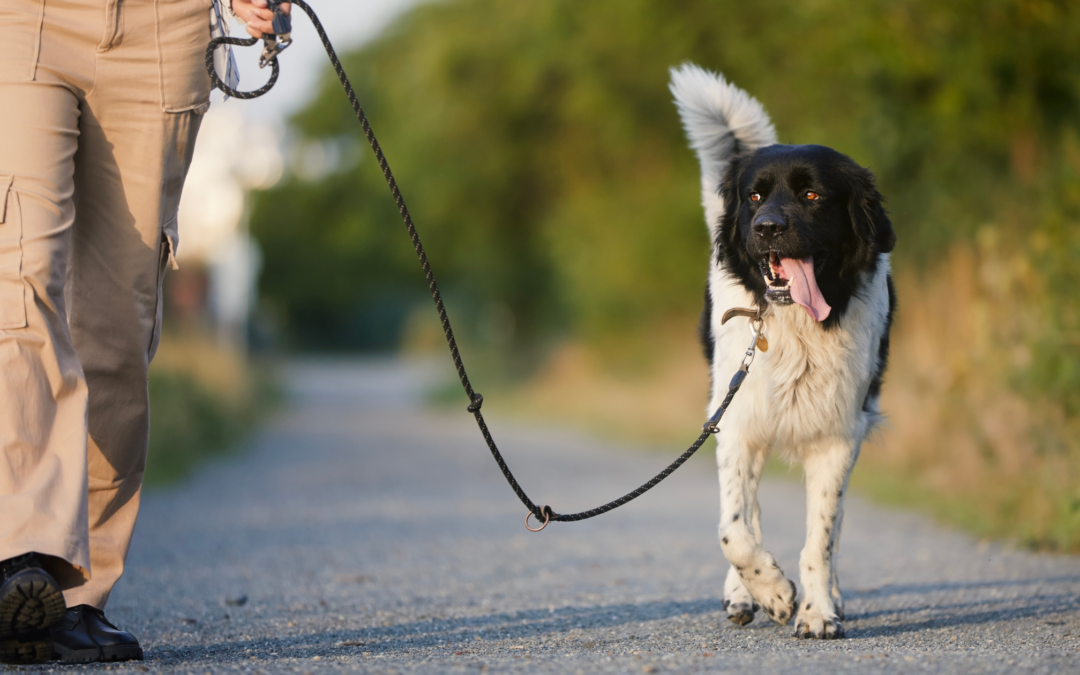
In practice, tracking function usually comes down to a small set of concrete markers over time: even weight bearing at the walk and trot, willingness to move without hesitation, comfort at rest between activity, and an owner’s own account of how the dog is doing at home between visits. None of these replace a veterinarian’s own reassessment, and no two recovery cases look the same. Results vary by dog, by the underlying condition, and by how closely a plan is followed.
Where This Leaves the Decision
As a prescription product, AlphaFlo® is administered only by a licensed veterinarian. Functional progress, not tissue healing alone, is the more honest measure of whether a recovery plan is working. Veterinarians who want more detail on how AlphaFlo® fits into a tissue support plan are welcome to request more information or join a Lunch & Learn session hosted by Christian Beaudry, Chief Operating and Scientific Officer.
References
1. Avilla-Royo, E., et al. (2021). Amniotic membrane derived products in regenerative medicine: reported properties and applications.